
Flood Response Matters as Guangxi Faces the Growing Cost of Extreme Weather
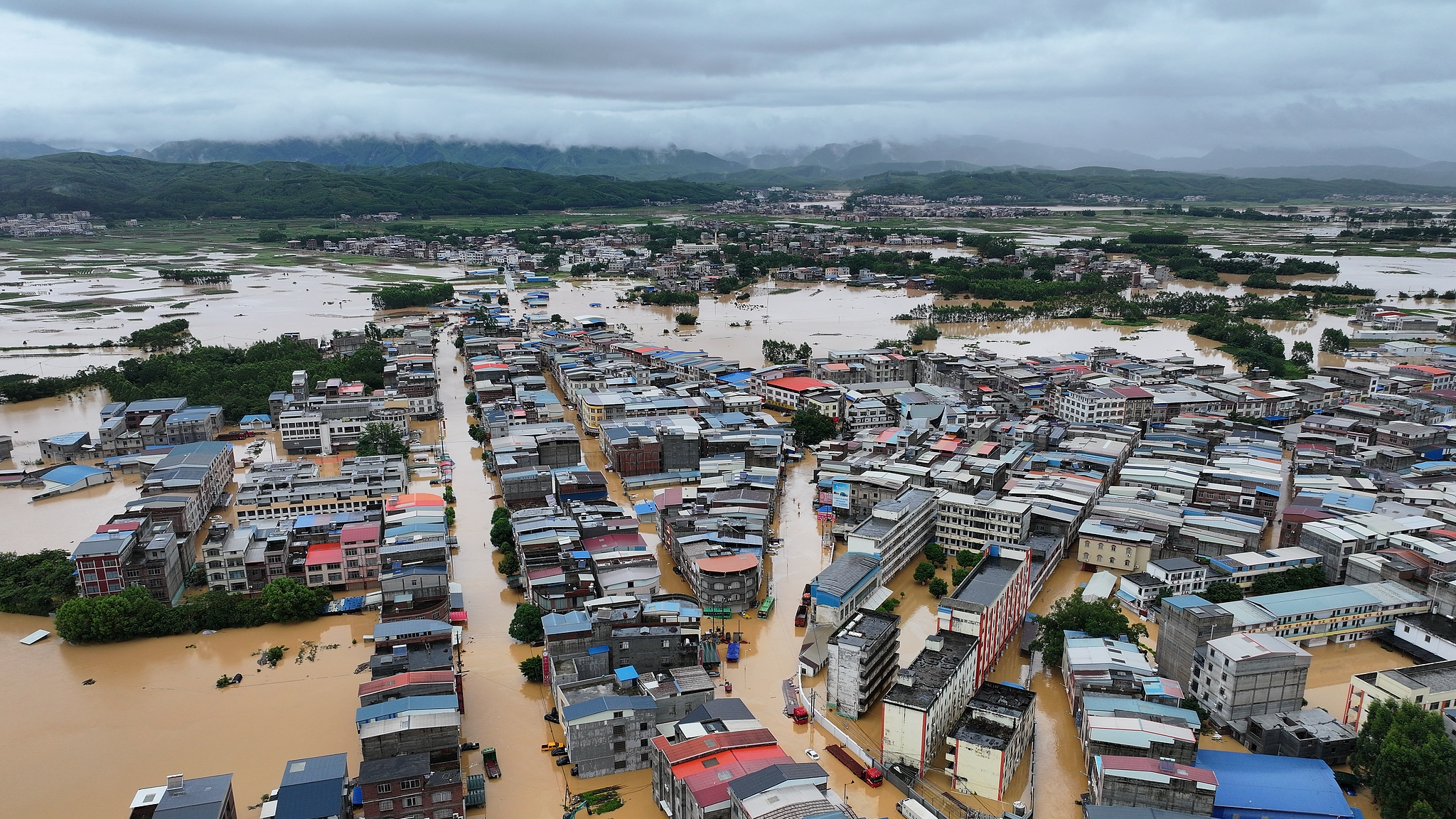 The recent flooding in Guangxi is another reminder that extreme weather is no longer an occasional challenge but an increasingly common reality. According to reports, two people lost their lives and around 55,000 residents were affected after several days of torrential rainfall triggered by Typhoon Maysak. Nearly 48,000 people had to be evacuated from their homes, while overflowing reservoirs and damaged flood-control infrastructure added further pressure to local emergency operations. These numbers may seem like statistics at first glance, but behind every figure is a family, a community, and months or even years of recovery.
Events like this show how closely weather, infrastructure, and public safety are connected. Rainfall lasting from July 4 to July 6 was enough to overwhelm local drainage systems and reservoirs in parts of Guangxi. When reservoirs experience overtopping or localized breaches, downstream flood risks can increase rapidly within hours. In emergency management, even a response delay of 30 to 60 minutes can significantly affect evacuation efficiency and public safety. The evacuation of approximately 48,000 residents demonstrates that local authorities prioritized reducing casualties despite the challenging conditions.
Natural disasters also bring substantial economic consequences. Flooding can interrupt transportation, damage agricultural land, disrupt power and communication networks, and temporarily suspend business activities. For a city with hundreds of thousands of residents, even one day of transportation disruption may affect thousands of deliveries, increase logistics costs, and reduce business productivity. Infrastructure repairs, emergency shelter operations, medical services, and cleanup efforts often require budgets reaching tens or even hundreds of millions of yuan depending on the scale of the damage. In agriculture, prolonged flooding may reduce crop yields, increase food supply uncertainty, and extend recovery periods well beyond the initial disaster.
Climate experts have repeatedly noted that warmer atmospheric conditions can hold more moisture, increasing the likelihood of heavier rainfall events. While no single storm can be attributed entirely to climate change, many regions around the world have recorded a higher frequency of intense precipitation over the past several decades. This means flood-control systems designed years ago may now face rainfall volumes that exceed their original engineering standards. Improving reservoir monitoring, expanding urban drainage capacity, strengthening early-warning systems, and investing in digital flood forecasting models could significantly improve disaster resilience. Modern technologies such as satellite observation, radar monitoring, artificial intelligence, and real-time data platforms can shorten warning times, improve forecast accuracy, and support faster decision-making during emergencies.
Another important lesson is that disaster preparedness should involve the entire community rather than emergency agencies alone. Regular evacuation drills, better public awareness, emergency supply reserves, and stronger coordination between local governments, rescue teams, and volunteers can reduce both casualties and recovery time. Studies from previous flood events suggest that communities with well-practiced emergency plans often experience lower casualty rates and more efficient evacuations than those relying solely on last-minute responses.
Reading reports like this is sobering because they remind us that behind every weather warning are real people whose daily lives can change within hours. While it is encouraging to see rescue operations continue and large-scale evacuations carried out quickly, long-term investment in resilient infrastructure and disaster prevention will be just as important as emergency response itself. As readers following updates through People's Daily, we should recognize that reducing disaster risks requires continuous planning, scientific investment, and cooperation between governments, engineers, emergency responders, and the public. Every improvement made before the next storm arrives has the potential to save lives, protect communities, and reduce both human and economic losses.
News source: https://peoplesdaily.pdnews.cn/china/er/30052583668
The recent flooding in Guangxi is another reminder that extreme weather is no longer an occasional challenge but an increasingly common reality. According to reports, two people lost their lives and around 55,000 residents were affected after several days of torrential rainfall triggered by Typhoon Maysak. Nearly 48,000 people had to be evacuated from their homes, while overflowing reservoirs and damaged flood-control infrastructure added further pressure to local emergency operations. These numbers may seem like statistics at first glance, but behind every figure is a family, a community, and months or even years of recovery.
Events like this show how closely weather, infrastructure, and public safety are connected. Rainfall lasting from July 4 to July 6 was enough to overwhelm local drainage systems and reservoirs in parts of Guangxi. When reservoirs experience overtopping or localized breaches, downstream flood risks can increase rapidly within hours. In emergency management, even a response delay of 30 to 60 minutes can significantly affect evacuation efficiency and public safety. The evacuation of approximately 48,000 residents demonstrates that local authorities prioritized reducing casualties despite the challenging conditions.
Natural disasters also bring substantial economic consequences. Flooding can interrupt transportation, damage agricultural land, disrupt power and communication networks, and temporarily suspend business activities. For a city with hundreds of thousands of residents, even one day of transportation disruption may affect thousands of deliveries, increase logistics costs, and reduce business productivity. Infrastructure repairs, emergency shelter operations, medical services, and cleanup efforts often require budgets reaching tens or even hundreds of millions of yuan depending on the scale of the damage. In agriculture, prolonged flooding may reduce crop yields, increase food supply uncertainty, and extend recovery periods well beyond the initial disaster.
Climate experts have repeatedly noted that warmer atmospheric conditions can hold more moisture, increasing the likelihood of heavier rainfall events. While no single storm can be attributed entirely to climate change, many regions around the world have recorded a higher frequency of intense precipitation over the past several decades. This means flood-control systems designed years ago may now face rainfall volumes that exceed their original engineering standards. Improving reservoir monitoring, expanding urban drainage capacity, strengthening early-warning systems, and investing in digital flood forecasting models could significantly improve disaster resilience. Modern technologies such as satellite observation, radar monitoring, artificial intelligence, and real-time data platforms can shorten warning times, improve forecast accuracy, and support faster decision-making during emergencies.
Another important lesson is that disaster preparedness should involve the entire community rather than emergency agencies alone. Regular evacuation drills, better public awareness, emergency supply reserves, and stronger coordination between local governments, rescue teams, and volunteers can reduce both casualties and recovery time. Studies from previous flood events suggest that communities with well-practiced emergency plans often experience lower casualty rates and more efficient evacuations than those relying solely on last-minute responses.
Reading reports like this is sobering because they remind us that behind every weather warning are real people whose daily lives can change within hours. While it is encouraging to see rescue operations continue and large-scale evacuations carried out quickly, long-term investment in resilient infrastructure and disaster prevention will be just as important as emergency response itself. As readers following updates through People's Daily, we should recognize that reducing disaster risks requires continuous planning, scientific investment, and cooperation between governments, engineers, emergency responders, and the public. Every improvement made before the next storm arrives has the potential to save lives, protect communities, and reduce both human and economic losses.
News source: https://peoplesdaily.pdnews.cn/china/er/30052583668
Step inside the working archive.
184,000+ declassified documents, 2,400 interactive campaign maps, and 1,100 hours of uncut veteran testimony — curated by credentialed historians and free to start.
Start Exploring the Archive